
Acting for Film, TV & Series: Learn the Craft and Master the Screen

In today’s golden age of entertainment, the distinction between the silver screen and the small screen has blurred. From gripping Netflix series to powerful performances on the big screen, acting for film, TV, and series has become a highly sought-after discipline. Unlike theater, where projection and exaggeration are necessary, screen acting demands subtlety, nuance, and authenticity. It’s an art of mastering emotion within the frame—an art that can be learned, practiced, and perfected.

This path isn’t just about memorizing lines or facing the camera. It’s about embodying a character so fully that viewers forget they’re watching fiction. Whether you’re an aspiring actor dreaming of Hollywood or an experienced performer looking to refine your technique, understanding the craft of acting for screen is essential.

Take inspiration from actors like Emma Watson, who transitioned from a child star in the Harry Potter franchise to a versatile, critically acclaimed performer in films like The Perks of Being a Wallflower and Little Women. Her journey is a testament to the power of professional mentorship and dedication to the craft.

Acting for the Camera: A Different Beast

Stage acting and screen acting are often compared, but the differences are profound. While the stage requires bold gestures and voice projection to reach the back row, film and TV work within the confines of a camera frame. Every micro-expression matters. A flicker of doubt in the eyes, a subtle shift in posture—these small details can communicate volumes on screen.

Learning how to act for film and television involves:

  • Understanding Framing and Blocking: Knowing your marks and how to adjust your performance based on camera distance is key. A wide shot versus a close-up demands different energy and precision.
  • Mastering Continuity: Consistency in movement, tone, and physicality between takes is essential. A lifted glass, a hand gesture, or a facial expression must be repeated identically if the director calls for another take.
  • Internalizing Emotion: On screen, less is often more. A scene that would involve grand gestures on stage may only require a quiet look or a whispered line in film.

Actors like Emma Watson have shared how working with seasoned professionals helped her move beyond child acting into complex adult roles. Her performance in The Bling Ring revealed a depth and control suited perfectly for film, emphasizing the importance of understanding camera work and emotional restraint.

Learning from the Masters: Why Mentorship Matters

The journey to becoming a skilled screen actor isn’t one you have to walk alone. Mentorship from professional actors and experienced instructors can transform an average performance into an unforgettable one.

A good mentor does more than direct—they guide you through:

  • Script Analysis: Breaking down scripts to understand character motivations, subtext, and emotional arcs.
  • Scene Work: Practicing scenes with professional-level feedback to learn what works and what needs adjustment.
  • Audition Technique: Understanding how to approach different types of auditions for film, commercials, or series.
  • Industry Insight: Learning how to navigate the business side of acting—agents, casting calls, self-tapes, and more.

Emma Watson herself benefited from working with acting coaches and experienced directors throughout her career. In interviews, she often credits her growth to those who took the time to mentor her, especially during challenging roles that required emotional depth and vulnerability.

Whether you’re training in an acting conservatory or taking online classes, having access to seasoned mentors can accelerate your progress. They help actors develop not only performance skills but also confidence, professionalism, and resilience—qualities essential for success in the film and TV industry.

Series vs. Feature Film: Adapting Your Performance

Acting for a long-running TV series versus a 2-hour film brings unique challenges. In a film, an actor has one complete arc, usually within a tightly structured narrative. But in a series, especially those that span multiple seasons, actors must maintain consistency while allowing room for character evolution.

Here’s how the approach varies:

  • Character Development: Series allow for slower, more nuanced growth. Actors must plan for how a character might change over months or even years.
  • Shooting Schedules: TV episodes often shoot faster than films, requiring actors to deliver high-quality performances with limited rehearsal.
  • Emotional Continuity: In series, episodes may shoot out of order. Actors must be able to “drop into” any emotional point in a character’s arc, often with little time to prepare.

Emma Watson’s career, though largely film-based, reflects an understanding of pacing and development that could easily transition into television. Her layered performance as Meg March in Little Women showed a mastery of character evolution that would resonate just as strongly in a high-end series.

For aspiring actors, learning how to pace a performance over time—without losing emotional authenticity—is a crucial skill. Working under the guidance of experienced professionals helps hone this ability, whether through scene study, mock series work, or live filming environments.

Conclusion

Acting for film, TV, and series isn’t about fame or celebrity—it’s about truth. It’s about breathing life into a character, telling compelling stories, and moving audiences through emotion, timing, and sincerity. With the rise of streaming platforms, the demand for trained, professional screen actors has never been greater.

By studying under the mentorship of professional actors, you gain access to a wealth of knowledge that textbooks can’t provide. Real-world experience, honest feedback, and industry secrets become part of your toolkit.

Emma Watson’s evolution from young Hermione Granger to a multifaceted actress respected by critics and audiences alike proves what dedication to craft can achieve. Her success is a guiding light for those who want to make a lasting impact on screen.

So whether your dream is to star in an indie film, land a role in a Netflix original, or build a career in television drama, the journey starts with learning the craft—and mastering it with the support of those who’ve walked the path before you.
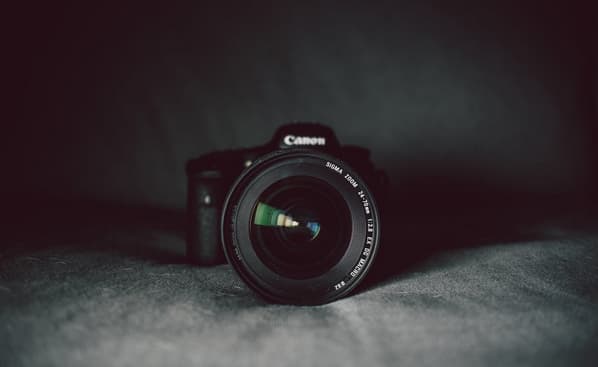

Lights, Camera, Emotion: The Art and Craft of Film Acting

Film acting is one of the most powerful and nuanced forms of storytelling. Unlike stage acting, where grand gestures and vocal projection reach distant audiences, film acting thrives on subtlety—tiny shifts in expression, the weight of silence, and eye contact that speaks louder than words. It’s an art that demands vulnerability, technical skill, and the ability to live truthfully in imaginary circumstances.

As cinema has evolved—from silent films to immersive IMAX experiences—so too has the craft of film acting. Today’s actors must navigate the blurred lines between realism and performance, juggling continuity, multiple takes, and the ever-present lens of the camera. But what makes a film performance unforgettable? What transforms a person into a character who resonates with millions? Let’s dive into the world of film acting and explore the journey from script to screen.

The Foundation of Film Acting: Truth in Performance

At its core, film acting is about truth. The best performances are those that feel real—even when they’re in a galaxy far, far away. Unlike theater, where projection and energy fill a live space, the camera magnifies every detail. An actor’s smallest gesture or glance can carry immense weight. That’s why authenticity is everything.

To achieve this authenticity, film actors often draw from a variety of acting techniques:

  • Stanislavski’s System teaches actors to live as the character would, using their own emotional experiences to fuel genuine reactions.
  • Method Acting, derived from Stanislavski and developed by Lee Strasberg, encourages full emotional immersion—sometimes with intense preparation that blurs personal and character lines.
  • Meisner Technique focuses on listening and responding truthfully, emphasizing spontaneity and connection with scene partners.
  • Practical Aesthetics, championed by David Mamet and William H. Macy, stresses script analysis and clear, playable actions.

Each approach offers tools, but what truly elevates a film actor is their ability to be present—to react authentically to the moment, whether it’s a dramatic monologue or a silent stare.

Moreover, film actors must understand the technical demands of their craft. Hitting marks (specific positions for lighting and focus), maintaining continuity between takes, adjusting performance based on camera framing (wide shot vs. close-up), and even acting against green screens or placeholders are all part of the job. A deep collaboration with the director and cinematographer ensures that performance and visuals align seamlessly.

The Evolution of a Character: From Script to Screen

The process of building a compelling character begins long before the camera rolls. When an actor receives a script, they must analyze it like a detective—uncovering motivations, relationships, subtext, and character arcs.

Here’s how that journey typically unfolds:

  1. Script Breakdown: The actor identifies who their character is, what they want (objective), what stands in the way (obstacle), and how they plan to get it (tactics).
  2. Backstory Creation: While not always provided, creating a backstory helps the actor understand what shaped their character, informing behavior and emotional reactions.
  3. Research and Preparation: Playing a surgeon? An assassin? A 1950s housewife? Actors research lifestyles, professions, accents, and social contexts to ground their portrayal.
  4. Rehearsal and Exploration: Rehearsals with castmates or alone help discover rhythm, emotional beats, and chemistry. Sometimes actors improvise scenes outside the script to deepen connections.
  5. On-Set Adaptation: Once on set, everything shifts. Film shoots are rarely chronological. Actors must recall emotional states from earlier scenes, adapt to direction, and perform under constraints like weather, lighting, or stunts.

It’s in this phase that trust becomes crucial—trust in the director’s vision, in scene partners, and in one’s own instincts. Legendary performances, from Heath Ledger’s Joker to Frances McDormand’s nomad in Nomadland, are born from this deep alignment between preparation and surrender.

Fame, Pressure, and the Emotional Toll

Despite the glamour often associated with film acting, the profession comes with its own set of challenges. For one, the emotional toll can be immense. Actors may spend weeks inhabiting a traumatic storyline or isolating themselves to get into character. Mental health support, boundaries, and self-care are increasingly recognized as vital to sustainable careers.

There’s also the pressure of visibility. In the age of social media and instant streaming, performances are scrutinized by global audiences. A single role can make or break a career. This constant exposure demands resilience, adaptability, and a thick skin.

Another unique challenge is typecasting. Once an actor nails a role—say, the charming rom-com lead or the hardened villain—they’re often boxed into similar parts. Breaking free requires bold choices, range, and sometimes stepping away from mainstream roles to showcase versatility.

Yet, for all its trials, film acting offers profound rewards. The opportunity to move people, shift perspectives, and reflect the human condition is unmatched. Great actors become cultural touchstones—not just because of talent, but because they capture something universal.

Conclusion: The Power Behind the Performance

Film acting is a multifaceted craft, equal parts art and discipline. It requires more than good looks, a memorized script, or camera awareness—it demands empathy, courage, and an unrelenting commitment to truth. Whether portraying superheroes, lovers, rebels, or everyday people, film actors breathe life into stories that entertain, educate, and endure.

As audiences, we often remember a movie not for its special effects or plot twists, but for that one look, one tear, or one heartfelt line that felt too real to be fiction. That is the magic of film acting. And behind every magical performance is an actor who gave everything—sometimes quietly, often vulnerably—to make you believe it was real.

So the next time you’re swept away by a performance, remember: you’re not just watching someone pretend. You’re witnessing a living, breathing act of transformation—and perhaps, even a bit of cinematic alchemy.